
Your workouts are only half the equation. What's in your kitchen decides whether you show up to the next WOD recovered, fueled, and strong — or running on empty.
You don't need a perfect pantry. You don't need to meal prep like it's your job. You need a kitchen set up to make the easy choice the right choice, even on your busiest days.
Here's how to build one that actually works for your goals — fat loss, energy, hormone balance, and showing up strong enough, fit enough, and calm enough.
Protein is the anchor of every meal. It keeps you full, supports recovery between sessions, and helps preserve the muscle you're working so hard to build. If protein is visible and ready to go, you'll actually eat it.
Keep these stocked:
Carbs are not the enemy — they're fuel for the barbell, the bike, and the box. The goal is having the right ones within reach so you're not grabbing whatever's fastest when you're starving after class.
Keep these stocked:
Healthy fats support hormone balance and keep you satisfied between meals. You don't need much — a small amount goes a long way.
Keep these stocked:
You don't need to cook every meal from scratch. You need two or three building blocks ready to combine.
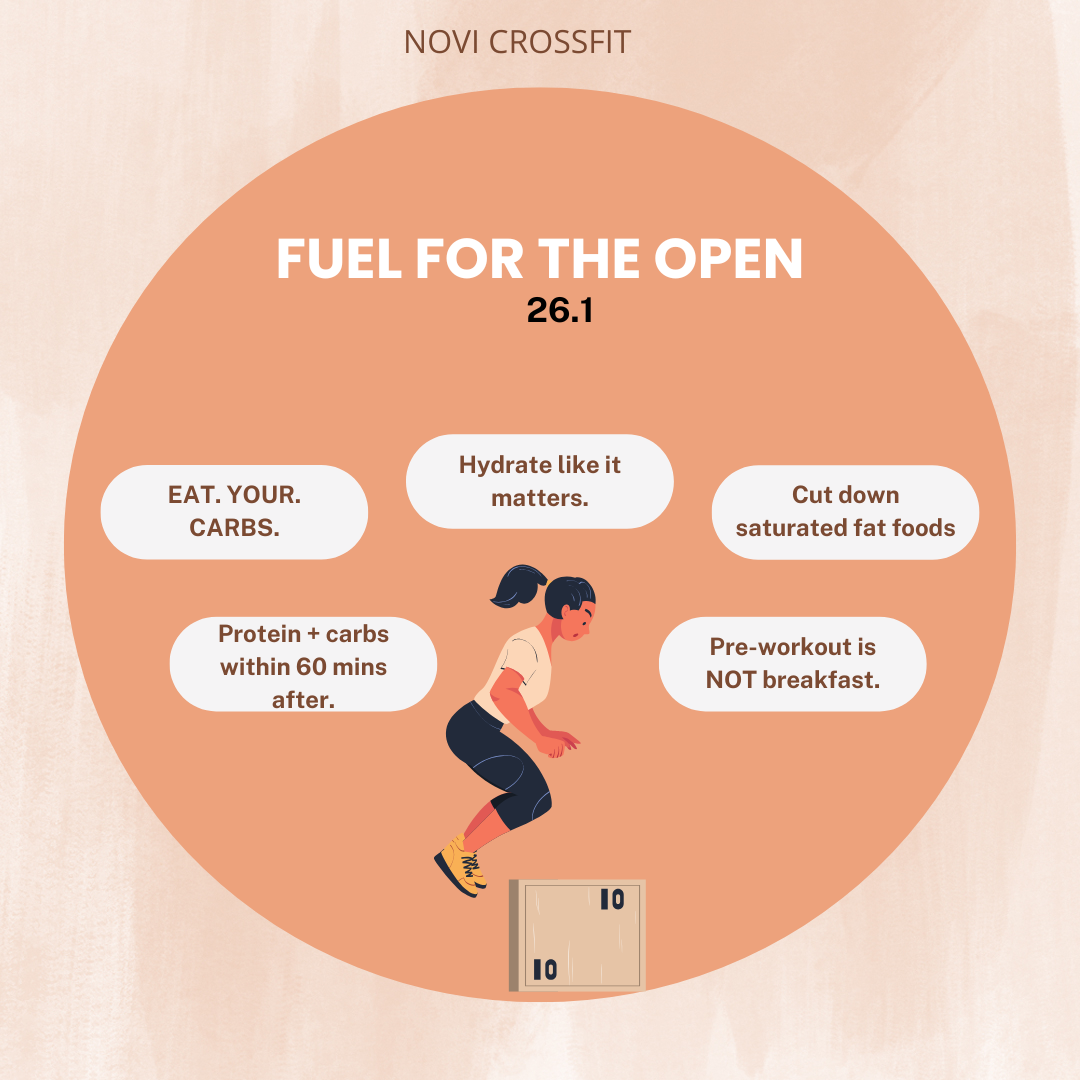
Keep a full water bottle visible on the counter, and add electrolytes on heavy training days — especially in the summer months. Under-hydration shows up as fatigue long before it shows up as thirst, and it's one of the easiest things to fix.
This isn't about "good foods" and "bad foods." It's about reducing decision fatigue. If ultra-processed snacks are what's easiest to grab at 4pm, that's what you'll eat. Keep them out of arm's reach, not out of your life.
Remember: this is a lifestyle, not a 30-day fix. A kitchen set up for success makes it easier to show up strong enough, fit enough, and calm enough — in the gym and everywhere else.
Want a personalized nutrition game plan built around your goals?